
Preparing for a commercial plumbing inspection in Orlando takes more than following a checklist. Business owners and facility managers face unique local code requirements, a subtropical climate, and the need for minimal business disruption. At ServiceOne Air Conditioning & Plumbing, we’ve walked alongside commercial property managers throughout Seminole and Orange Counties since 2003, helping them navigate local regulations with confidence and clarity. If you want your next inspection to move smoothly—and keep your business compliant—let’s break down every step and answer your most pressing questions.
How Should Property Managers Prepare for Inspection Day?
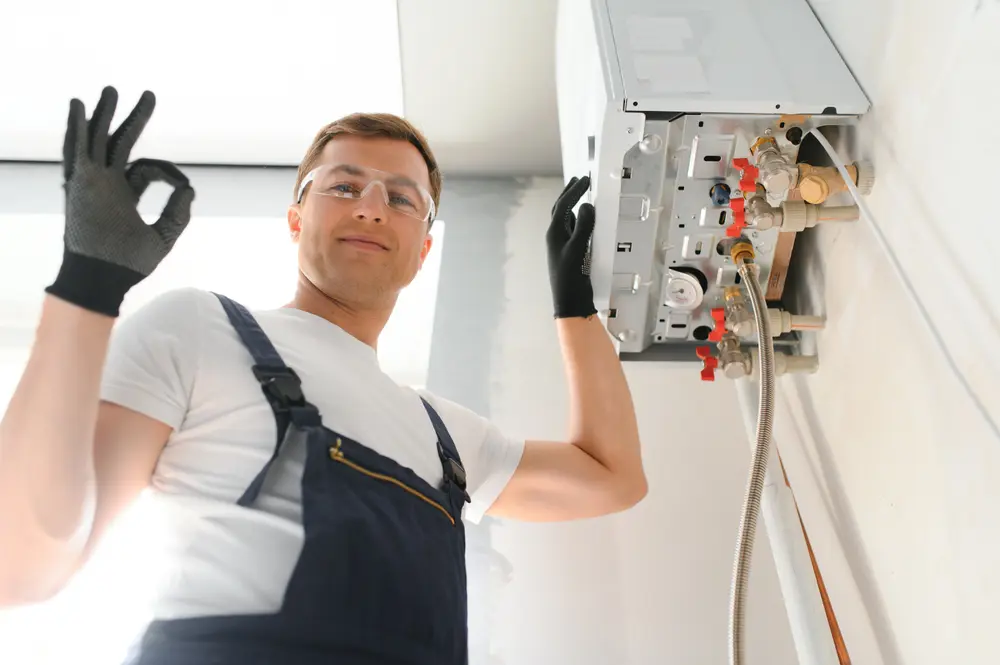
Preparing for inspection day requires organization, communication, and attention to detail. Property managers who plan ahead can prevent costly delays, avoid repeat visits, and ensure every system functions as expected when the inspector arrives. A quick walkthrough with your plumbing contractor is often the best starting point, helping you identify issues early and resolve them before they become problems.
Some Steps Businessowners Can Take to Prepare for a Plumbing Inspection Include:
- Thoroughly inspect all plumbing areas with your contractor: Look for leaks, unsecured fixtures, missing insulation, clogged drains, or blocked meters so they can be corrected ahead of time.
- Verify ADA compliance measurements: Use a measuring tape to confirm proper height and reach requirements for sinks, toilets, and faucets in accessible areas.
- Notify staff or tenants about inspection plans: Ensure everyone who uses the affected spaces is aware of temporary access limits or scheduling changes.
- Create a clean and organized inspection environment: Remove clutter, label key areas, and stage any tools or safety gear the inspector may need.
- Practice equipment demonstrations in advance: Test emergency shutoff valves, eyewash stations, and specialty equipment with your contractor to ensure everything operates correctly.
Taking these steps helps property managers present a well-prepared and compliant site, reducing the chance of delays or re-inspection. A proactive approach—especially with a knowledgeable contractor—keeps inspection day efficient, professional, and stress-free.
What Triggers a Commercial Plumbing Inspection in Orlando?
Commercial plumbing inspections in Orlando can be prompted by various scenarios. New construction, major remodeling, or a change in building use—such as turning an office into a restaurant—typically requires review by city or county inspectors. Inspections may also result from routine permit renewals, public complaints about potential hazards, or targeted code enforcement initiatives by local authorities. Building owners are expected to remain current on these triggers to avoid unplanned interruptions and maintain code compliance.
Many inspections are connected to defined stages of a construction or renovation project. For instance, system rough-ins, the installation of new water heaters, or upgrades to backflow prevention devices almost always require an inspection before work proceeds to the next phase. Orlando’s building code mandates that inspectors confirm all work aligns with approved plans and meets city standards, protecting public health and property value.
Missed or failed inspections can result in expensive delays, added reinspection fees, or temporary shutdowns for certain businesses. To prevent surprises, coordinate your plumbing projects closely with your contractor and check the City of Orlando’s or county permitting requirements before starting work on any plumbing system changes.
Who Is Responsible for Scheduling & Managing Plumbing Inspections?
The responsibility for arranging a commercial plumbing inspection usually falls on the property manager or owner but often involves contractors and facility teams. In Orlando, only licensed plumbing contractors can request an official inspection after completing permitted work. This requirement ensures that every system modification meets professional and city standards. Facility managers should work closely with their contractor to determine proper timing and necessary documentation.
City and county inspectors oversee compliance with local, state, and national codes. It’s common for these officials to schedule site visits in advance, but certain circumstances—such as health or safety concerns—can trigger a surprise inspection. When possible, property managers should remain available during inspections, ready to provide access to mechanical rooms, utility spaces, or other restricted areas the inspector will need to review.
Strong coordination streamlines the process and avoids missed steps. Before inspection day, make sure everyone knows their roles: contractors handle installer documentation and physical walkthroughs, managers prepare necessary records, and support staff clear the inspection area of obstacles. At ServiceOne Air Conditioning & Plumbing, we answer our own phones 24/7 so you can always reach a live, local representative if a scheduling question or unexpected situation arises before, during, or after your inspection.
Which Plumbing Codes & Requirements Matter for Orlando Businesses?
Commercial properties in Orlando fall under the Florida Building Code, which incorporates the International Plumbing Code with local amendments. These codes set strict standards for materials, pipe sizing, fixture requirements, venting, and system safety. Orlando’s climate adds further complexity—hurricane resilience, backflow prevention, and flood preparedness are all integral to plumbing code compliance in Central Florida.
Certain industries face additional requirements. Restaurants and food preparation areas must have properly sized and frequently serviced grease traps. Health care facilities and laboratories require advanced cross-connection prevention and rigorous sanitation standards. Every commercial property must demonstrate proper venting, water heater installation, appropriate drainage slope, and accessibility at every plumbing control point to remain compliant.
Failing to observe state and local plumbing codes can halt occupancy, prompt fines, or delay crucial business operations. To avoid these setbacks, regularly consult local ordinances or partner with a licensed Orlando plumber familiar with the latest legislative changes and inspection expectations. Staying proactive about regulatory shifts can save significant time and resources, especially for larger facilities or portfolio property managers.
What Do Inspectors Look for During a Commercial Plumbing Inspection?
Orlando inspectors focus on several key aspects when reviewing commercial plumbing systems. Backflow preventers take top priority. These devices protect the municipal water supply from contaminants and are subject to strict installation, testing, and documentation requirements. Inspectors will check certification status, look for signs of wear or corrosion, and verify that assembly matches both the manufacturer’s guidelines and local codes.
Water heaters and storage tanks are examined closely for proper capacity, safe installation, and adherence to temperature and pressure regulations. The inspector confirms that all required safety valves are installed, relief outlets are unobstructed, and the system is capable of serving a commercial application. Improper setups—such as lacking expansion tanks or placing units in prohibited zones—often result in violations.
Other areas of inspection include fixture compliance, drainage and vent systems, and ADA accessibility. Inspectors will ensure all sinks, toilets, and showers are the correct height and have the necessary clearances. They’ll verify that drainage systems slope properly, pipe connections are secure, and no cross-connections could jeopardize water quality. Restaurants, healthcare offices, and public facilities should also be prepared for scrutiny of grease traps and eyewash stations. Keeping these components up to code not only passes inspection but supports long-term safety and operational success.
What Documents & Records Should Be Ready for Orlando Plumbing Inspections?
Having organized paperwork ready for your inspector goes a long way toward earning a passing review.
Before the inspection, gather the following key documents for easy presentation:
- Approved building permits for all plumbing work
- Plans and blueprints with clear water, waste, and vent line layouts
- Change orders or design modifications submitted during the project
- Inspection reports from previous years (if applicable)
- Invoices, warranties, and “as-built” records for recent upgrades or replacements
- Up-to-date maintenance logs, especially for backflow preventers and grease traps
- Manufacturer specification sheets for any new equipment or fixtures
Failing to provide these records may force the inspector to delay approval or request a follow-up review. Digital copies are accepted by many inspectors, but having printed originals can make the process faster and more straightforward.
Keeping your documentation current not only streamlines inspections but also positions your business as diligent and prepared in the eyes of city officials. We recommend updating your records after each plumbing service or system upgrade so you have a complete, accurate history available at all times.
What Are the Most Common Reasons Plumbing Inspections Fail in Orlando?
Despite good intentions, many commercial plumbing inspections fail due to a few recurring issues. One leading cause is outdated or malfunctioning backflow prevention. If devices are missing, lack up-to-date certification, or appear improperly installed, inspectors will issue a correction notice. For food service businesses, undersized grease traps or incomplete maintenance logs are another common pitfall.
Improper pipe materials or faulty connections often surface during final inspections. Installing the wrong type of pipe—for example, using PVC where metal is required—or failing to secure joints and supports will trigger code violations. Similarly, leaks at fixtures, unsealed wall penetrations, or insufficient venting frequently prompt inspectors to order repairs before approving occupancy or continued use.
Another key reason for failed inspections is noncompliance with ADA standards. Sinks installed at incorrect heights, missing grab bars, or restricted access paths may not seem critical until the inspection, but they remain top priorities for Orlando officials. To prevent setbacks, conduct a proactive audit of system components and ADA elements before the inspector’s visit. Working with licensed, locally experienced plumbers familiar with these hot spots often makes the difference between prompt approval and costly delays.
What Steps Should You Take if Issues Arise During an Inspection?
If your inspection results in a correction notice or failed approval, act quickly to resolve each listed item. Begin by thoroughly reviewing the official report, which will outline specific code violations and a timeline for corrections. Orlando’s agencies typically set a defined window—ranging from a few days to a month—based on the severity of the findings and business type.
Work directly with your licensed plumber or contractor to prioritize and complete each correction. Safety or public health violations, such as missing backflow preventers or unsecured water heaters, should top the list. For smaller issues, like minor leaks or documentation gaps, document every repair and keep receipts or updated logs for proof of compliance.
Once all fixes are complete, schedule a follow-up inspection as soon as possible. Submit a packet with updated permits, test results, receipts, and photographic evidence of the corrected work. Maintain open communication with both your contractor and the city’s inspection office—prompt, organized responses help avoid further penalties and demonstrate your commitment to running a safe, compliant facility.
What Are the Consequences of Failing a Commercial Plumbing Inspection?
If your property fails a plumbing inspection in Orlando, you’ll receive a detailed notice outlining deficiencies and next steps. Many business owners receive a grace period to resolve issues, usually ranging from several days to a month. Failure to make timely corrections can escalate the situation, resulting in reinspection fees, stop-work orders, or even temporary loss of your certificate of occupancy for severe violations.
Inspection failures often create business delays. For example, restaurant operators may be unable to open to the public or finalize health permits until plumbing problems are resolved. This makes prompt action essential—not only for compliance, but to keep projects and revenue on track. Managing documentation and repairs transparently builds goodwill with city officials, reducing the stress and hassle of future reviews.
City inspectors value transparency and corrective initiative. If you address citations promptly and keep communication lines open, most issues can be resolved without legal escalation. At ServiceOne Air Conditioning & Plumbing, we pride ourselves on supporting clients through the process—helping coordinate repairs, organize paperwork, and streamline communication with regulatory offices whenever possible.
How Does Preventive Maintenance Contribute to Plumbing Compliance?
Staying ahead of plumbing problems is the best way to avoid negative inspection results. Preventive maintenance—such as annual inspections, routine leak checks, and regular replacement of high-wear components—catches small defects before they turn into code violations. Orlando’s humid climate and severe weather make corrosion, clogging, and mold more likely, raising the stakes for ongoing maintenance.
Proactive service visits deliver valuable documentation and system updates. Each visit allows technicians to check backflow devices, clean grease traps, and inspect venting or drainage systems, creating a paper trail that inspectors appreciate. Commercial facilities like restaurants and medical clinics often need more frequent attention due to heavier usage or stricter public health regulations.
With ServiceOne Air Conditioning & Plumbing’s ClubOne Membership, businesses benefit from regularly scheduled maintenance, priority scheduling for urgent repairs, and meaningful discounts on needed services. Our focus on building lasting relationships in the Orlando community means we remember your property’s details and keep your compliance schedule running smoothly, all as part of our commitment to treating every client like family.
Why Partner with a Licensed Orlando Plumber for Commercial Inspections?
Choosing a licensed plumbing company for your commercial inspections provides a critical advantage during Orlando’s regulatory process. Orlando plumbing contractors understand local city requirements, keep pace with changing state codes, and maintain strong working relationships with inspectors. This familiarity means fewer surprises and better communication from project start to inspection sign-off.
ServiceOne Air Conditioning & Plumbing is a proud Navy veteran-owned business that brings discipline, integrity, and attention to detail to every service call. We answer our phones day and night, offering real support—not an automated system or national call center—because emergencies and inspection deadlines rarely follow a 9-to-5 schedule. Our flat-rate pricing and transparent communication mean you always know what to expect, avoiding the shock of hidden fees or service delays.
Working with a local, fully licensed partner simplifies the entire inspection journey. You not only gain a resource for handling urgent plumbing issues but develop a relationship with a team that knows your needs and treats your business as a priority. An experienced Orlando plumber can streamline scheduling, clarify inspectors’ questions, and confidently guide you through every compliance checkpoint from start to finish.
Where Can Orlando Businesses Find Resources for Plumbing Compliance?
City and county websites are often the best starting points for plumbing compliance resources. The City of Orlando, Orange County, and Seminole County Building Departments all provide guidance on permits, inspection requests, approved contractor lists, and downloadable checklists. Check department webpages for up-to-date contacts and online permit portals to smoothly submit or track your documentation.
For more complex compliance questions, the Florida Department of Business and Professional Regulation offers statewide licensing details and regulatory updates. Local business associations frequently share compliance tips, sample inspection documents, and lists of recommended service vendors for the Orlando area. Consider connecting with these groups to build your knowledge and network over time.
ServiceOne Air Conditioning & Plumbing is always available to help Orlando-area businesses prepare for inspections, organize records, and understand evolving code expectations. For direct, friendly support and answers to your commercial plumbing questions, give us a call at (407) 499-8333. We appreciate the trust our community has given us and look forward to supporting your business for years to come.