

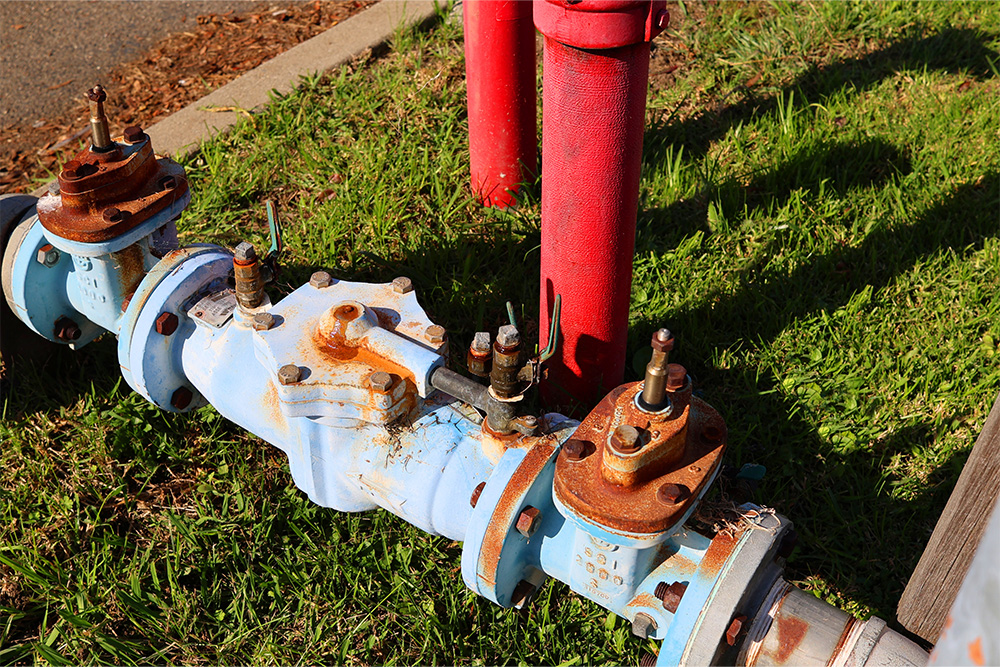
Dealing with backflow testing in Orlando can feel overwhelming with all the different regulations, seasonal concerns, and the importance of clean, safe water. We understand how much Orlando homeowners, business owners, property managers, and HOAs have on their plates. That's why staying ahead of backflow testing requirements isn't just about ticking boxes—it's about protecting your property, the health of the community, and your peace of mind. At ServiceOne Air Conditioning & Plumbing, our mission is to help our neighbors in Orlando get clear answers on backflow testing frequency and keep their water systems in top shape year-round.
Why Is Backflow Testing Required in Orlando Homes and Businesses?
Backflow happens when water reverses direction in your plumbing system, allowing contaminants like fertilizers, chemicals, or bacteria to enter the clean water supply. This risk increases during events like water main breaks, firefighting, or changes in system pressure. With Florida's combination of heavy rains, storm events, flat terrain, and diverse plumbing systems, Orlando faces unique challenges in protecting its drinking water from backflow incidents.
To address these risks, the city of Orlando and surrounding counties require backflow prevention devices and set strict rules for testing. If these safeguards fail or go untested, there's a genuine risk of pollutants making their way back into the community water supply. Regular backflow testing ensures your devices function correctly and helps avoid city enforcement actions or even boil water notices following contamination events in the area.
This focus on prevention isn't just for big commercial buildings. In residential neighborhoods, common culprits include sprinkler systems, swimming pools, and outdoor hose bibs. Businesses add extra risk factors, such as high-pressure equipment or specialized appliances. By keeping up with backflow prevention device testing, you help maintain water quality for your household and the entire Orlando community.
How Often Do Orlando Regulations Require Backflow Testing?
Orlando ordinances and Florida state codes generally require every permitted backflow prevention device to be tested at least once a year by a certified backflow tester. This applies to residential irrigation systems, commercial properties, and multi-family units—each must submit proof of testing and maintain records for city review. The most common devices, such as Reduced Pressure Zone (RPZ) assemblies and Double Check Valve Assemblies (DCVAs), fall under this annual requirement.
While the one-year rule is the standard, there can be exceptions. For example, some low-hazard single-family properties without high-risk cross connections may qualify for less frequent testing, but these cases are rare and must be reviewed by the city. Commercial and industrial sites may encounter stricter oversight if they have a history of noncompliance or complex system layouts that increase risk. Properties in Orange and Seminole counties may see slight differences in rules or reporting formats, so always double-check with your local municipality.
To keep your property compliant, keep these points in mind:
- Have all backflow devices tested annually, even if they appear to be working.
- Use only city-approved and certified testers for inspections and official reports.
- Submit documentation to your water provider or as directed by the city's utility division.
- Retain detailed testing records in case of audit or compliance review.
Orlando treats backflow compliance seriously. Missing your testing window can result in fines or even water shutoff—not just for your property but potentially for neighboring shared systems.
What Triggers More Frequent Backflow Testing for Orlando Properties?
Although annual testing covers most situations, several factors can push your property into a more frequent backflow testing schedule. One common scenario involves significant plumbing changes, such as upgraded irrigation, pool system expansions, or extensive repairs. When any modifications occur, local ordinances often require new backflow certifications before normal use resumes.
High-risk properties also face stricter oversight. Businesses with food preparation, laundromats, car washes, salons, dental or medical offices, or commercial multi-unit spaces usually require more extensive device coverage and may have devices inspected more than once per year—particularly after incidents or if the city receives complaints. Failed previous inspections or reports of cross-connection problems can trigger unannounced spot checks and additional required retesting at the owner’s expense.
Extreme weather is another factor. After hurricanes, flooding, or water main breaks in your area, the city may notify neighborhoods or have utilities recommend immediate retesting. For properties hosting events with temporary water connections or on-site construction, testing may be needed before the event or project, after completion, and again at your regular interval. We help Orlando property owners navigate these situations with timely reminders and clear checklists so you never get caught off guard by extra testing requirements.
How Are HOAs, Businesses & Rental Properties Impacted by Backflow Testing Rules?
HOAs in Orlando are responsible for the water safety of shared amenities like pools, irrigation, and community clubhouses. City rules place the burden on the HOA—not individual homeowners—to schedule, complete, and document all relevant backflow testing. If an HOA lets testing lapse, fines or service outages may affect every property in the community, creating tension and unexpected repair costs for HOA budgets. Proactive meeting agendas and clear communications help HOAs keep everyone informed and avoid surprises.
For businesses and commercial property owners, compliance goes beyond annual device testing. Restaurants, gyms, salons, and medical offices often have several devices protecting kitchens, restrooms, labs, or outdoor spigots. Commercial compliance often includes stricter documentation, potential chain-of-custody requirements for results, and extra penalties for water service interruptions that affect customers and employees. For new business openings or changes of ownership, the city frequently requires a new certification even if the previous one is less than a year old.
Rental property owners—especially those managing duplexes, triplexes, or multi-family buildings—also shoulder responsibility. The property owner is generally responsible for arranging testing (not individual tenants), submitting certifications, and responding to city deadlines. Coordinating inspections between tenant move-ins and move-outs or during busy leasing seasons is key to avoiding service disruptions, tenant complaints, and unexpected expenses.
The Step-by-Step Process for Scheduling & Completing Backflow Testing in Orlando
Scheduling backflow testing in Orlando is straightforward if you follow the right steps. Start by choosing a city-approved, certified tester—most city utilities keep an updated list to help you avoid unqualified providers. With ServiceOne Air Conditioning & Plumbing, our licensed, insured, and trained technicians are ready to guide you through the process 24/7. We understand the local rules, helping you avoid mistakes that could lead to invalid tests or missed deadlines.
Here’s what to expect during a typical testing appointment:
- The certified technician examines each device for damage or wear.
- Pressure measurements and operational tests confirm the device protects against contamination.
- If devices pass, you receive a certification report for your records and for submission to the city or utility. If repairs are needed, the technician supplies a report and helps schedule follow-up testing.
For larger properties or organizations with multiple devices (including HOAs and commercial facilities), it is best to coordinate a single inspection event. Keep digital copies of all results in a central file, as the city may request these during routine audits or in response to reported water issues. Our live office staff is on hand day and night to answer questions, help with documentation, and offer scheduling flexibility during emergency or seasonal situations.
What Are the Real-World Penalties for Missing or Failing Backflow Testing in Orlando?
Orlando enforces its backflow testing rules with a mix of warning notices, fines, and potential water shutoff for repeated noncompliance. If you miss your annual testing deadline, the utility company typically sends a compliance notice requiring action within a set period—failure to schedule the test within this window can result in escalating fines starting at several hundred dollars. Habitual offenders, or those with high-risk devices, could see daily fines or fees for administrative processing.
If your device fails inspection, you often have a short period—between 72 hours and 10 days—to make necessary repairs and provide a passing test result. During this window, water service may continue temporarily but will be cut off if the issues aren’t resolved. Both residential and commercial owners need to act promptly to avoid losing water service and facing even higher costs for restoration or emergency repairs. In HOA or multi-family settings, a single missed inspection can result in widespread disruptions, affecting all residents using shared systems.
Beyond fines and service interruptions, failure to comply can expose you to legal liability if contamination affects water users downstream. Actual incidents can lead to health advisory alerts, public cleanup costs, and long-term reputation damage for the property or organization involved. That’s why our team treats every testing appointment as both a compliance requirement and a fundamental safeguard for Orlando’s community health.
Exceptions and Special Circumstances in Orlando Backflow Testing Frequency
Orlando’s regulations offer some exceptions to annual backflow testing, but they are uncommon and strictly enforced. A rare example is a low-hazard residential property with a private well that does not connect to public water—these properties may qualify for reduced testing after thorough city review. To pursue an exception, owners must submit plumbing diagrams, written statements of system isolation, and sometimes even schedule an onsite inspection. Even then, the utility may reassess if circumstances on the property change.
Whenever there are major plumbing repairs, replacement of old backflow devices, or installation of new systems (such as pool plumbing or advanced irrigation), the city typically requires immediate re-testing—no matter when the last annual test was performed. If you are buying or selling a property with a backflow device, most lenders, insurers, and even home inspectors will ask to see up-to-date certification as part of the closing process. It’s best to schedule a new test in these cases, both to fulfill transaction requirements and ensure your water safety going forward.
If your property has been granted an exception in the past, always stay updated on changing rules. Orlando’s utilities update criteria as local risk profiles shift and technology evolves. Our approach is to regularly monitor new ordinances and help clients document eligibility when special cases apply. Transparent communications and organized documentation help avoid confusion or costly surprises if city reviews your status or changes the rules down the line.
When Should You Schedule Additional Backflow Testing Beyond Legal Minimums?
Sticking to the annual minimum backflow testing schedule is generally safe, but certain situations demand extra caution and additional testing. If you’ve recently completed major plumbing work—adding a pool, installing new irrigation, or changing water appliances—it makes sense to test as soon as possible. These updates can change water flow, create new cross-connections, or stress existing backflow devices.
After hurricanes, flooding, or other major storm events, risk of device failure increases. Heavy storms can damage or shift plumbing, causing even recent devices to malfunction. We recommend scheduling a precautionary test after any significant weather event to confirm that your water is still protected against contamination.
Other scenarios for proactive backflow testing include:
- Before buying or selling real estate (requested by banks, buyers, or insurers)
- Whenever residents or tenants report unexpected water quality issues
- When a business switches its use (for example, converting from retail to food service or healthcare)
- After major nearby utility repairs or if your public utility notifies you of unusual pressure incidents
Being proactive with extra testing helps safeguard both your property and everyone connected to Orlando’s public water supply. Well-timed inspections mean fewer emergencies and more predictable maintenance for your plumbing systems.
How Homeowners & Property Managers Can Stay on Top of Backflow Compliance
Getting ahead of backflow testing requirements starts with organized records and advance planning. Plug renewal dates and city deadlines into your calendar at the start of the year, and set reminders to avoid last-minute scheduling stress. If you manage multiple properties or units, consider centralized compliance software or reminders to track when each device’s certificate is due. This is especially important for HOAs and commercial portfolios that want smooth audits and uninterrupted water service.
Work with backflow testing companies that value transparent communication and reliability. At ServiceOne Air Conditioning & Plumbing, we answer every call—no matter the hour—so that you can always get clarity on requirements or surprise notices. Our team stays on top of regulatory updates for Orlando, Orange County, and Seminole County, proactively notifies you of upcoming deadlines, and organizes paperwork for review so you don’t have to chase down missing records.
Don’t overlook city and county resources as well. Orlando utilities regularly update their websites with compliance calendars, new rule changes, and educational resources for property owners. Community water safety workshops and email lists can keep you in the loop. By using these resources and working with service providers who prioritize your compliance, you help maintain the safety and quality of Orlando’s water supply for everyone.
Choosing the Right Backflow Testing & Water Safety Partner in Orlando
Long-term water safety and backflow compliance in Orlando require more than a quick inspection—you want a service partner who shares your commitment to community health and clear communication. As a family-owned business led by Navy values, ServiceOne Air Conditioning & Plumbing treats every customer like a neighbor and every call like an opportunity to protect our shared water.
Our clients appreciate knowing that every call—day or night—is answered by a live, local team member, not a call center. The same skilled technicians handle testing, reporting, and any follow-ups with the consistency we’ve built over 20 years in Central Florida.
For those seeking peace of mind throughout the year, our ClubOne Membership program offers:
- 15% off repairs and a five-year service warranty
- Priority scheduling for compliance and emergencies
- Transferable agreements for new homeowners or relocated businesses
- Clear, upfront pricing without hidden fees
If you have questions about how often backflow testing is required in Orlando, how to comply with new ordinances, or just want a second opinion on your schedule, reach out to us at (407) 499-8333. We’re here as your neighbors and water safety advocates. Together, we’ll make sure your property stays protected—and your water stays safe for everyone.