
Have you noticed a sudden drop in your water pressure, unexplained lush spots in your yard, or higher water bills without a clear cause? In Orlando, our love of greenery and shade trees sometimes leads to unexpected plumbing headaches—especially when tree roots target underground water lines. Homeowners across Central Florida frequently face hidden risks right below the soil: fast-growing roots that can slip through tiny cracks or joints in pipes. If left unchecked, this invisible invasion leads to costly water leaks, yard damage, and major repair bills. Knowing why this happens, how to spot warning signs early, and what steps to take can make all the difference in protecting your home from avoidable plumbing disasters.
Why Orlando Yards Experience Tree Root Water Line Problems
Central Florida’s subtropical climate, loose sandy soils, and near year-round growing conditions make local yards a paradise for trees—and a potential hazard for water lines. Periods of drought or uneven rainfall encourage roots to aggressively seek out moisture underground, which often leads them straight to pipes. Many Orlando homes built before the 1990s rely on older materials like clay, cast iron, or early PVC that are more prone to cracking or leaking under the combination of root pressure and shifting soil. Roots instinctively target these vulnerable spots, creating a cycle of intrusion, pipe damage, and costly repair.
Orlando’s landscaping trends also play a big part. Homeowners plant fast-growing oaks, ficus, cypress, and other shade trees close to homes for comfort and curb appeal. However, the close proximity means roots don’t have to travel far to reach water lines. With houses closely set on many lots, even roots from a neighbor’s tree may endanger your plumbing. Neighborhoods with mature trees and tight layouts often have the highest frequency of root-related water line problems.
Local authorities from Orlando Utilities Commission and plumbers throughout Seminole and Orange Counties confirm tree root intrusion is among the top contributors to underground water line failures. Seasonal changes, like dry winters or hurricane impacts, often trigger upticks in service calls. These patterns highlight why extra attention is needed for both mature trees and new plantings in Orlando’s yards, ensuring long-term peace of mind for homeowners and property managers.
Which Trees & Shrubs in Orlando Pose the Highest Risk for Water Lines?
Certain trees and bushes in the Orlando area have particularly aggressive root systems that make them frequent offenders in water line intrusions. Live oaks, laurel oaks, and camphor trees are well-loved for their beauty and shade, but their sprawling roots can extend well beyond their canopies. Fast-growing species like ficus, willow oak, and silver maple also send out invasive roots, increasing the risk of pipe damage or blockages below ground.
Some ornamental shrubs, such as bamboo and crepe myrtle, may seem less threatening, but their roots spread quickly, especially when they are searching for water during dry seasons. Even palm trees, common across Central Florida, may cause trouble if planted too close to utility lines or foundations. Homeowners should always consider the mature root span when adding new vegetation and avoid planting these varieties within 15 feet of water service lines whenever possible.
Proactively checking your property for high-risk species can make a big difference. Consider taking these preventive steps:
- Identify the location of all utility lines before planting new trees or shrubs
- Consult with local landscape professionals about root management or alternatives
- Prune or trim roots that approach water lines under professional supervision
- Install root barriers to redirect growth away from sensitive underground infrastructure
Focusing on appropriate plant choices and distance from pipes reduces the likelihood of costly water line repairs driven by Orlando’s common trees and shrubs.
How Tree Roots Invade & Damage Underground Water Lines
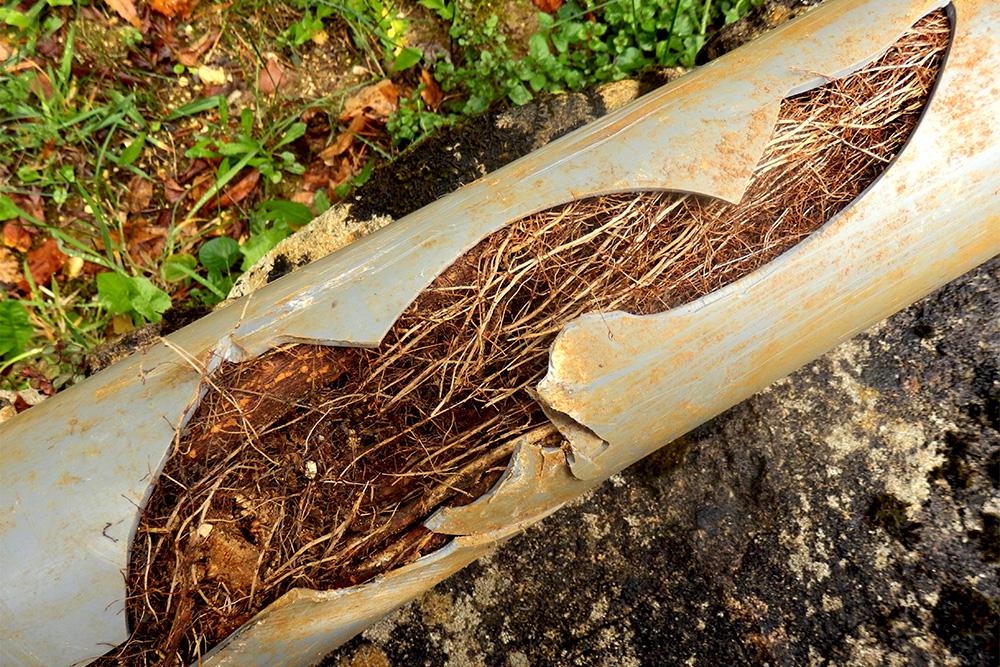
Tree roots in Orlando are constantly seeking sources of water, especially during dry stretches. Once roots sense moisture leaking from even the smallest crack or imperfect joint in a buried pipe, they’re drawn directly toward it. At first, roots wrap themselves around the pipe, gradually pressing against weak spots or gaps. Over time, root tips find their way inside, especially in older pipes with degraded seals or pinhole cracks.
This intrusion starts slowly. Roots weave through minor openings, expanding with each growth season. As they absorb water and nutrients from inside the pipe, they multiply and thicken—eventually creating clogs or full blockages. This not only lowers household water pressure, but also escalates to ruptures, leaks, or even total pipe collapse when left untreated. In sandy, shifting Orlando soils, repeated cycles of drought and rain accelerate both pipe deterioration and root movement.
Pipe material is often the determining factor for how susceptible your system may be. Clay and cast iron pipes are common in older Orlando homes and tend to degrade over time, making them easy targets for thirsty roots. Modern PVC pipes offer greater resistance, but they too can be compromised if seams or connections weaken. For homeowners who aren’t sure what type of pipes their property has, a professional inspection is a smart preventive step.
What Are the Earliest Warning Signs of Tree Root Water Line Intrusion?
Spotting early symptoms of root intrusion can help prevent water loss, yard damage, and expensive pipe repairs. The first thing many homeowners notice is a gradual decrease in water pressure—including slow-flowing faucets or showers. Persistent or unexplained clogs, especially if they return after standard drain cleaning efforts, frequently point to interference deeper in your plumbing system where roots could easily have reached.
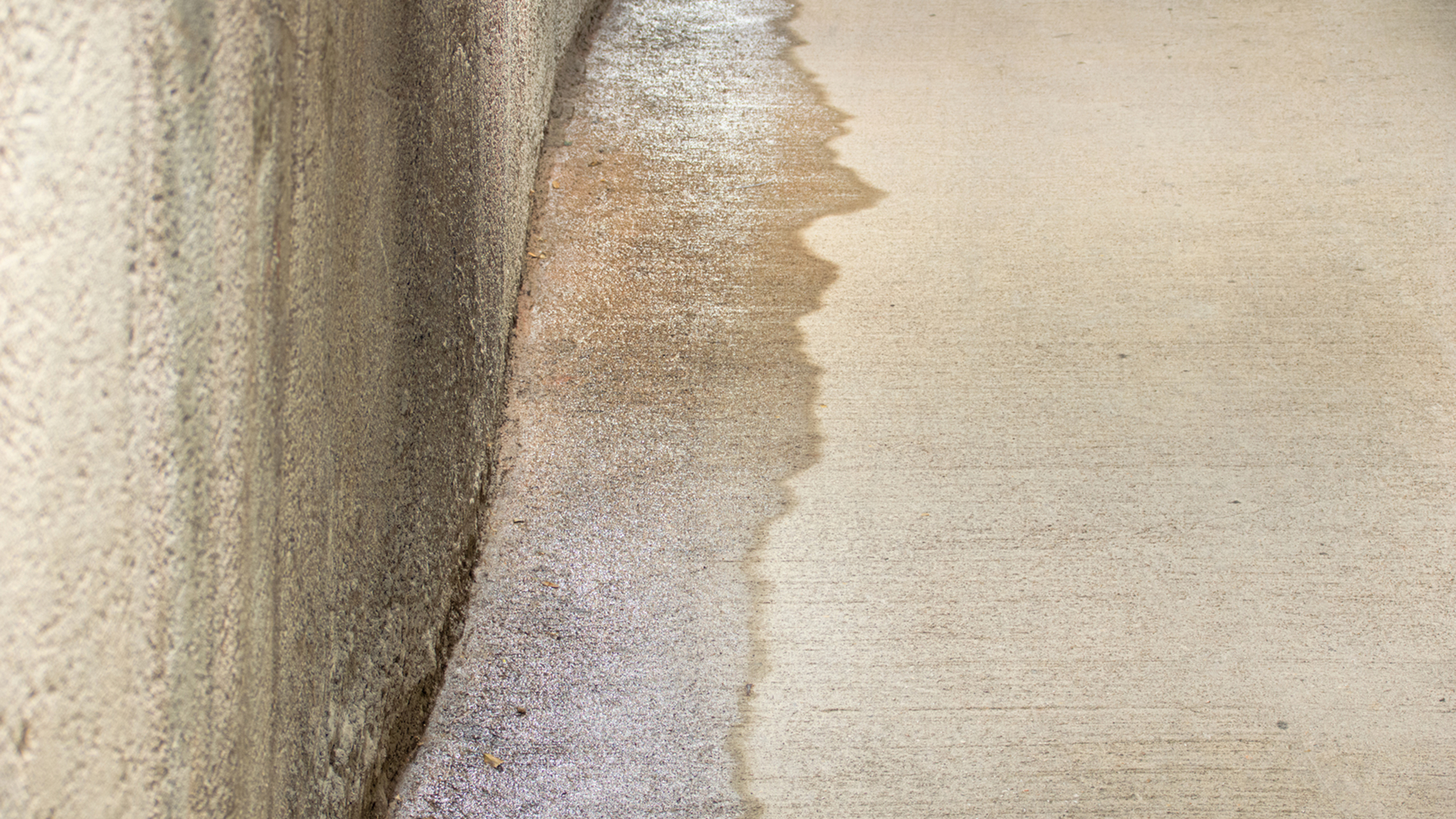
Outside, unusual wet spots, soggy patches, or sudden sinkholes in your lawn often signal a leak in underground water lines. Watch for unusually lush or green sections of grass, even during dry periods—these are classic “hot spots” where water leaks are fueling root growth and surface vegetation. High water bills are another telltale sign, especially if usage habits haven’t changed and there’s no obvious evidence of leaks inside the house.
If you notice any of the following, consider a root intrusion as a likely cause:
- Gurgling sounds in your plumbing, especially after draining water
- Persistent sewer odors or musty smells inside the home
- Mold, mildew, or moisture along floors and walls near water line entrances
- Multiple drains running slowly at once
The sooner you recognize these indicators and call for a professional assessment, the more options you have for repair and prevention.
The Right Steps to Take If You Suspect Water Line Root Damage
If you believe your Orlando water line has been compromised by roots, move quickly—delays can mean more severe damage. Begin by gently checking your yard for suspicious wet areas, sunken ground, or exposed roots near your utility line path. Inside, jot down any recurring drain backups or unexplained drops in water pressure. If you spot evidence, turn off your home’s main water valve and see if the symptoms change once water stops flowing. This quick test can help confirm if the leak is inside or outside the house.
Take several clear photos of all visual symptoms, from wet or muddy patches to lush grass and exposed roots near pipes. Keep records of past plumbing issues and any sudden increases in water costs. Avoid pouring harsh chemicals or using mechanical augers without professional advice—these actions can worsen the situation or cause collateral damage to both pipes and your landscaping. Instead, reach out to a reputable local plumber who understands root-related water line issues in Central Florida’s environment.
When you call ServiceOne, you’ll speak to our live team—never a call center—who is ready around the clock to guide you from first assessment to final repair. We’ll walk you through next steps, explain our diagnostic process, and discuss your options, including any club membership benefits that may apply to your repair or inspection needs.
Preventing Tree Root Intrusion When Landscaping or Planting
Thinking ahead can protect your water lines for decades. Before landscaping or planting new trees, always contact your utility provider or call 811 to locate water, sewer, and other underground lines across your property. Once located, plan to keep new tree plantings at least 10–15 feet away from these routes, increasing space for larger trees that have wider root systems, like oaks or maples.
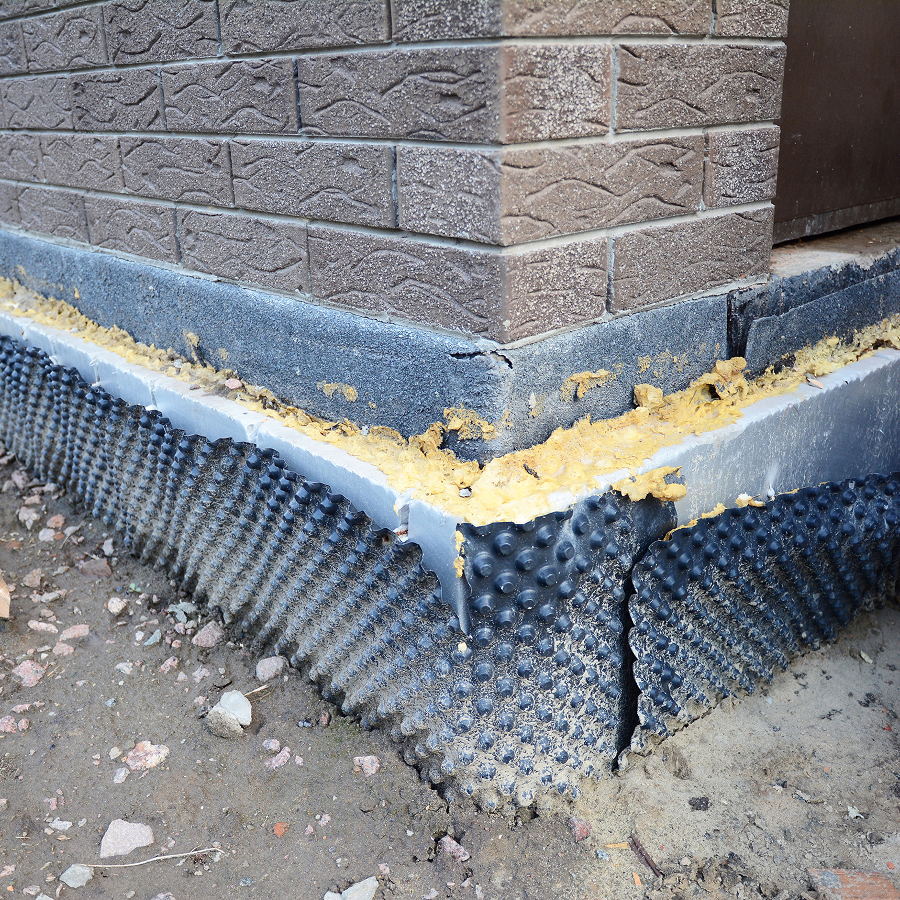
Consider installing modern root barriers—physical panels or chemical strips buried between plantings and utilities—to give an extra layer of protection. Choosing native or less aggressive species, such as dogwoods or magnolias, reduces the risk that roots will attack your pipes down the road. If space is tight, ornamental grasses, groundcovers, or small-scale shrubs work well as alternatives to water-hungry trees near important underground lines.
Partnering with landscape professionals who know Orlando’s plants and soils provides the best odds of creating a beautiful, low-risk yard. They’ll be able to recommend the right combinations, layout, and maintenance strategies that are both practical and attractive, helping safeguard your water lines as your landscaping matures.
DIY Solutions Versus Professional Plumbing Service for Tree Root Issues
Many homeowners consider do-it-yourself solutions when early root problems appear, but these are often only temporary fixes—and they can sometimes create bigger issues. While you may clear minor blockages with a plumbing snake or use over-the-counter foaming root killers, these methods rarely stop roots long-term or fix underlying cracks in your pipes. Chemical treatments may also harm your yard’s ecosystem, affecting tree health and potentially reaching groundwater.
Attempting major digging without a clear idea of utility layouts puts you at serious risk of damaging not only your own water line, but also gas, electric, or cable lines buried beneath your yard. Improper removal can worsen pipe weaknesses or spread root damage, leading to higher repair costs down the road. DIY should be reserved strictly for the simplest clogs; if the problem reoccurs, it’s time to call in a pro.
Working with licensed, insured plumbers ensures access to advanced equipment and a deeper understanding of local soils, tree species, and plumbing types. They’ll conduct video inspections, target the true entry points for roots, and recommend lasting repair methods that protect both your pipes and your landscaping investment in Orlando.
How Orlando Plumbers Diagnose & Repair Tree Root Water Line Damage
Orlando plumbing professionals approach root-damaged pipes with a range of modern tools designed for accuracy and minimal yard disruption. The process often starts with a small video camera snaked through your line, giving a detailed view of where roots have breached and how extensive the blockage or damage may be. This inspection allows plumbers to carefully plan solutions, minimizing unnecessary digging or guesswork.
Depending on the scope of root intrusion, your plumber may use high-pressure hydro jetting to flush out roots and debris or mechanical cutters to slice through tougher growth. When pipe damage is localized, trenchless repair methods—such as cured-in-place pipe (CIPP) relining or bursting—let plumbers rehabilitate or replace damaged sections without a major excavation. These innovative approaches can restore your water line and preserve costly landscaping.
Reputable companies like ServiceOne Air Conditioning & Plumbing use clear communication and provide written estimates so you always know the scope and cost of the work. After repairs, technicians may reinspect the line to confirm a long-term fix, and discuss steps you can take moving forward, such as scheduled inspections and plant recommendations tailored to your property.
What Water Line Repair Actually Costs in Orlando: Realistic Ranges & Factors
The cost of repairing tree root damage to water lines in Orlando depends on how severe the intrusion is and how much pipe needs to be restored. Professional root clearing generally runs from $350 to $700, while lining or partial replacement bumps costs into the $1,000–$3,000 range. Total water line replacement across an average residential lot can reach between $2,500 and $7,000, with variables such as length, location, and restoration of lawns or driveways affecting the final price.
Some Central Florida homeowners have insurance plans that may offset these costs, especially for new, accidental breaks. It’s always wise to review your policy or call your insurance provider before work begins, and request detailed invoices from your plumber for any potential claims. Membership programs like ClubOne give added value by offering discounts, extended warranties, and regular service, lowering the financial impact of both emergency and routine repairs.
Request a transparent, complete estimate from your plumber before any work starts so you’re informed about every service and expected cost. Understanding repair ranges, membership discounts, and insurance options helps you choose the plan best suited to your property—and keeps your future budgets safe from surprise expenses.
Smart Steps to Reduce Future Tree Root Water Line Risks
Consistent maintenance and informed landscaping choices together offer the strongest protection against future root-water line conflicts. Regular pipe inspections (every 2–3 years) let homeowners catch root activity and small cracks before major problems set in. Keeping historical records of repairs, upgrades, and previous plant removal or installation also gives valuable context for any new plumbing concerns that arise.
Enrolling in preventive maintenance plans, like ClubOne from ServiceOne Air Conditioning & Plumbing, supports proactive care, including priority scheduling, service discounts, and warranty-enhanced repairs—all key to avoiding costly emergency work. Working with local, veteran-owned companies gives you peace of mind that your technicians understand Orlando’s specific blend of soils, plant life, and plumbing quirks.
Update your landscape thoughtfully: select tree varieties that are less likely to invade water lines, respect proper planting distances, and keep an eye on growth patterns through annual property reviews. Combining regular professional plumbing checks with knowledgeable plant selection creates a worry-free foundation for your home, no matter how lush your yard becomes.
When to Upgrade or Replace Orlando Water Lines Instead of Just Repairing
If you find yourself facing repeated leaks, frequent blockages, or repairs on pipes over 40 years old, a complete replacement may save money and stress in the long run. Old clay, cast iron, or thin PVC pipes are especially prone to root intrusion and corrosion after decades in the ground. Even if some sections have been patched, the ongoing risks make an upgrade sensible—both for performance and property value in Central Florida’s challenging soil.
Persistent warning signs—like repeated drops in pressure, soggy lawn spots, or frequent plumber visits—signal that your home’s water line may be approaching the end of its reliable life. If you’re considering a major yard or driveway project, combining utility upgrades with renovations helps prevent future damage to new surfaces and ensures all your investment works together.
Work with a trusted plumber to weigh repair costs versus a full replacement using transparent diagnostics and pricing. A carefully planned upgrade, featuring modern PEX or thick PVC piping, protects against root and soil threats, adds value to your Orlando home, and means fewer surprises as your trees mature and your family grows.
Finding a Veteran-Owned Plumbing Partner for Water Line Issues in Orlando
Choosing the right plumbing service in Orlando means finding one rooted in local values and proven integrity. At ServiceOne Air Conditioning & Plumbing, we proudly serve Seminole and Orange Counties as a veteran-owned company founded on dedication and care. Our phones are answered 24/7 by live team members who know the area, not out-of-town call centers. We build long-term relationships by guiding you through each step—from inspection to education and repair—personalizing our service with every visit.
When researching local plumbers, verify they carry valid Florida state licenses, proper insurance, and a strong record of satisfied reviews. Look for flat-rate, upfront pricing and membership benefits that reward long-term maintenance. Reliable partners not only communicate clearly, but also explain all service options, recommend risk-reducing landscaping solutions, and educate you on preventing future plumbing headaches specific to Orlando’s unique environment.
If you are ready for an inspection, have questions about root risks, or need to address an urgent water line concern, call 407-499-8333 to connect directly with our Orlando-based team. We’re committed to helping you protect your home, your plumbing, and the beautiful landscape that makes Central Florida living so enjoyable.